
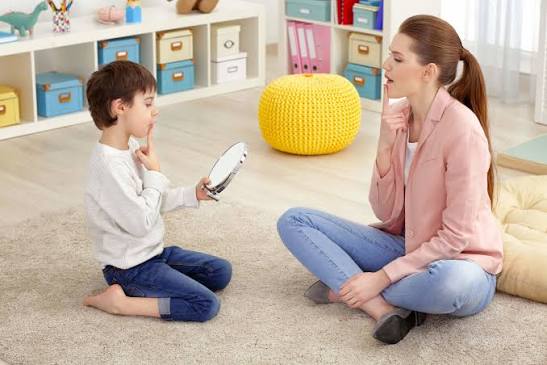
Every child deserves the opportunity to express their thoughts, needs, emotions, and ideas with confidence. For many children with Autism Spectrum Disorder (ASD) in Toronto, communication can be one of the most significant challenges they face. Some children may have delayed speech, while others may find it difficult to understand language, maintain conversations, interpret social cues, or express themselves effectively.
The encouraging news is that early, individualized speech therapy can make a meaningful difference. Through evidence-based strategies, children with Autism Spectrum Disorder can develop stronger communication, language, and social interaction skills that help them succeed at home, in school, and within their community.
If you’re searching for speech therapy Toronto, Speech Therapy Centres of Canada provides personalized therapy programs that support children with Autism Spectrum Disorder in developing confident communication while respecting each child’s unique strengths and learning style.
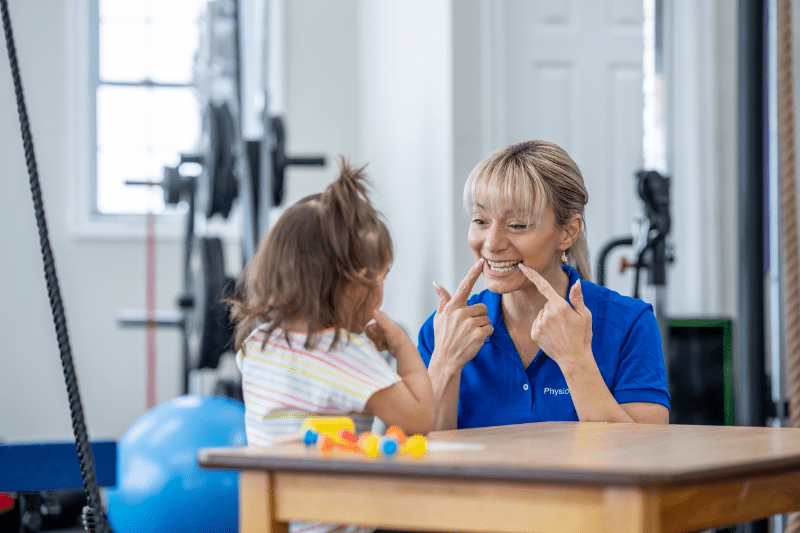
Understanding Autism Spectrum Disorder and Communication
Autism Spectrum Disorder (ASD) is a neurodevelopmental condition that affects how individuals communicate, interact socially, and process information.
Every child with ASD is unique.
Some children may:
- Speak fluently but struggle with conversations.
- Have delayed speech development.
- Use few or no spoken words.
- Prefer gestures or visual communication.
- Have difficulty understanding language.
- Find social interaction challenging.
Speech therapy focuses on developing communication skills that support each child’s daily life and individual goals.
How Communication Challenges May Affect Children with ASD
Children with Autism Spectrum Disorder may experience challenges with:
- Expressing wants and needs
- Understanding spoken language
- Making eye contact
- Taking turns during conversations
- Answering questions
- Understanding facial expressions
- Interpreting body language
- Playing cooperatively
- Building friendships
- Participating in classroom discussions
Early intervention helps children develop these skills in a supportive environment.
Why Early Speech Therapy Matters
Research consistently shows that early intervention supports communication development during important stages of brain growth.
Early speech therapy in Toronto may help children:
- Develop language skills
- Improve social interaction
- Increase communication confidence
- Strengthen learning abilities
- Improve independence
- Support school readiness
However, children of all ages can benefit from speech therapy based on their individual needs.
1. Improves Expressive Language Skills
Many children with Autism Spectrum Disorder have difficulty expressing their thoughts, feelings, or needs.
Speech therapy helps improve:
- Vocabulary development
- Sentence formation
- Requesting needs
- Answering questions
- Describing experiences
- Sharing ideas
As expressive language improves, children often become more confident communicating with others.
2. Strengthens Understanding of Language
Communication involves both speaking and understanding.
Speech therapy helps children improve:
- Following instructions
- Understanding questions
- Listening skills
- Vocabulary comprehension
- Everyday language understanding
Improved receptive language supports learning both at home and in school.
3. Encourages Social Communication
Many children with ASD benefit from learning how to communicate in social situations.
Speech therapy helps develop:
- Greeting others
- Starting conversations
- Taking conversational turns
- Staying on topic
- Asking questions
- Ending conversations appropriately
These skills help children participate more comfortably in everyday interactions.
4. Builds Eye Contact and Joint Attention
Joint attention is the shared focus between two people on the same object or activity.
Speech therapy encourages:
- Eye contact
- Shared attention
- Looking between people and objects
- Interactive play
- Engagement with communication partners
These foundational skills support later language and social development.
5. Improves Play and Interaction Skills
Play is an important part of communication development.
Speech therapy often incorporates:
- Pretend play
- Turn-taking games
- Interactive activities
- Problem-solving tasks
- Cooperative play
These enjoyable activities naturally encourage communication while building social confidence.
6. Supports Alternative and Augmentative Communication (AAC) When Needed
Some children benefit from additional communication supports.
Speech-language pathologists may introduce:
- Picture communication systems
- Visual schedules
- Communication boards
- Speech-generating devices
- Gestures
- Sign-supported communication
AAC supports communication while continuing to encourage overall language development.
7. Develops Conversation and Friendship Skills
As children grow, communication becomes more socially complex.
Speech therapy helps children learn:
- Conversation skills
- Understanding emotions
- Perspective taking
- Problem-solving
- Friendship skills
- Classroom participation
These abilities help children build stronger relationships and participate more confidently in social settings.
8. Increases Confidence and Independence
Improved communication often leads to increased confidence.
Children who communicate more effectively frequently become more comfortable:
- Asking for help
- Making choices
- Participating in school
- Meeting new people
- Joining group activities
- Expressing emotions
Confidence grows as communication becomes easier and more successful.
What Happens During Speech Therapy?
Every child begins with a comprehensive communication assessment.
The Speech-Language Pathologist evaluates:
- Speech development
- Language skills
- Social communication
- Play skills
- Listening abilities
- Communication strengths
- Areas requiring support
Following the assessment, an individualized therapy plan is developed.
Sessions may include:
- Play-based learning
- Language activities
- Social communication practice
- Visual supports
- Parent coaching
- Interactive games
- Home practice strategies
Every program is personalized according to the child’s developmental needs and interests.
Benefits of Speech Therapy for Autism Spectrum Disorder
Children often experience improvements in:
- Communication confidence
- Expressive language
- Receptive language
- Social communication
- Play skills
- Listening skills
- Classroom participation
- Emotional expression
- Problem-solving
- Independence
Progress occurs at each child’s own pace, with therapy focused on meaningful, functional communication.
Additional Speech Therapy Services at Speech Therapy Centres of Canada
Along with Autism Spectrum Disorder support, we provide therapy for:
- Autism Spectrum Disorder (ASD)
- Speech Delay
- Language Delay
- Business Communication
- Accent Modification
- Stroke Therapy & Aphasia
- Voice Therapy
- Adult Speech Therapy
- Cognitive Communication Therapy
Our individualized services support children, teens, and adults across a wide range of communication needs.
How Parents Can Support Communication at Home
Parents play an important role in communication development.
Helpful strategies include:
- Read together every day.
- Follow your child’s interests during play.
- Give extra time for responses.
- Celebrate communication attempts.
- Use simple, clear language.
- Encourage turn-taking.
- Limit background distractions during conversations.
- Practice home activities recommended by your speech therapist.
Consistent support at home reinforces the progress made during therapy sessions.
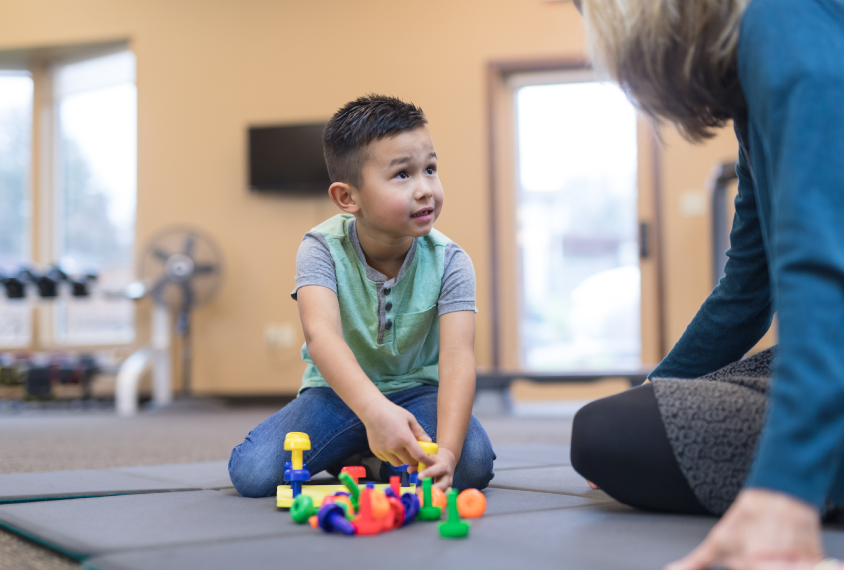
Why Choose Speech Therapy Toronto for Autism Spectrum Disorder?
At Speech Therapy Centres of Canada, our experienced Speech-Language Pathologists provide compassionate, evidence-based speech therapy programs designed to support children with Autism Spectrum Disorder.
Our services include:
- Comprehensive communication assessments
- Individualized therapy plans
- Play-based intervention
- Social communication training
- Parent education and coaching
- AAC support when appropriate
- School readiness programs
- Home communication strategies
Every therapy plan is personalized to help children develop meaningful communication skills while building confidence and independence.
Frequently Asked Questions
Can speech therapy help children with Autism Spectrum Disorder?
Yes. Speech therapy helps children improve expressive language, receptive language, social communication, play skills, and overall communication confidence.
At what age should speech therapy begin?
Early intervention is often beneficial, but children of all ages can make meaningful progress through individualized therapy.
Does every child with Autism Spectrum Disorder need speech therapy?
Not every child has the same communication needs. A Speech-Language Pathologist can assess your child’s strengths and recommend whether speech therapy would be beneficial.
Looking for Speech Therapy Toronto for Autism Spectrum Disorder?
If you’re searching for speech therapy or speech therapy Toronto services for a child with Autism Spectrum Disorder, Speech Therapy Centres of Canada is here to help. Our experienced Speech-Language Pathologists provide individualised, family-centred therapy programs that strengthen communication, improve social interaction, build confidence, and help children reach their full potential.
📍 Serving Toronto and the Greater Toronto Area
📅 Book your Autism Spectrum Disorder Speech Assessment today: https://speechtherapycentres.com/autism-spectrum-disorder-asd/
Disclaimer: This blog is for educational purposes only and should not replace professional assessment or medical advice. Please consult a registered Speech-Language Pathologist for an individualized communication assessment and treatment plan.


