

An Acquired Brain Injury (ABI) can have a significant impact on a person’s daily life. Whether caused by a stroke, traumatic brain injury (TBI), infection, tumour, lack of oxygen, or another neurological condition, an acquired brain injury can affect much more than physical movement. Many individuals experience challenges with memory, attention, thinking, problem-solving, and communication, making everyday tasks more difficult.
Simple activities such as holding a conversation, remembering appointments, following instructions, or returning to work can become overwhelming after an acquired brain injury. Fortunately, recovery is possible. With individualized speech therapy, many people improve their cognitive communication skills, regain independence, and rebuild confidence.
If you’re looking for speech therapy Toronto, Speech Therapy Centres of Canada provides evidence-based rehabilitation programs designed to help individuals recover communication and cognitive skills following an acquired brain injury.
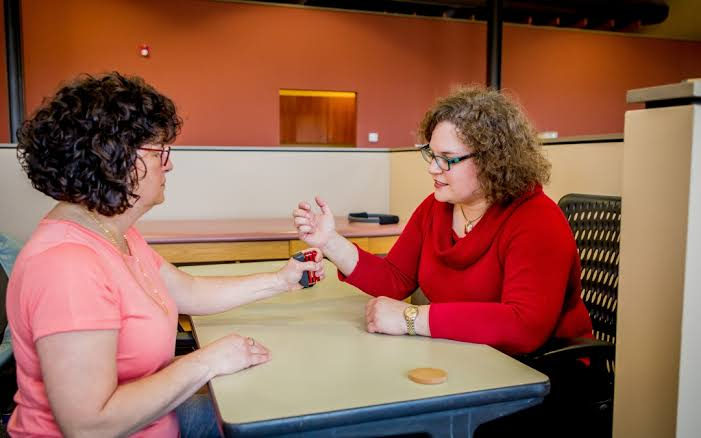
What Is an Acquired Brain Injury?
An Acquired Brain Injury (ABI) refers to any brain injury that occurs after birth.
Common causes include:
- Stroke
- Traumatic brain injury (TBI)
- Falls
- Motor vehicle accidents
- Brain tumours
- Brain infections
- Lack of oxygen (anoxia)
- Neurological illness
Depending on the area of the brain affected, individuals may experience different communication and cognitive challenges.
How Can an Acquired Brain Injury Affect Communication?
The brain controls many communication functions.
After an acquired brain injury, individuals may experience:
- Word-finding difficulties
- Reduced attention
- Memory problems
- Slower thinking
- Difficulty following conversations
- Trouble organizing thoughts
- Reading challenges
- Writing difficulties
- Problem-solving challenges
- Reduced social communication
These symptoms can affect work, relationships, education, and everyday independence.
Why Early Speech Therapy Matters
Recovery begins with understanding each individual’s strengths and challenges.
Early speech therapy can help:
- Promote brain recovery
- Improve communication
- Strengthen memory strategies
- Increase independence
- Improve confidence
- Support return to work or school
Even individuals who experienced an acquired brain injury months or years ago may continue to make meaningful progress through therapy.
1. Improves Memory Skills
Memory difficulties are one of the most common challenges following an acquired brain injury.
Speech therapy teaches strategies to improve:
- Short-term memory
- Working memory
- Remembering appointments
- Learning new information
- Daily organization
Therapists also introduce practical memory tools that support everyday functioning.
2. Strengthens Attention and Concentration
Many individuals find it difficult to stay focused after an acquired brain injury.
Speech therapy targets:
- Sustained attention
- Selective attention
- Divided attention
- Listening skills
- Task completion
Improved attention supports better communication and everyday functioning.
3. Improves Word Finding and Language Skills
Some individuals know what they want to say but struggle to find the correct words.
Speech therapy helps improve:
- Vocabulary retrieval
- Sentence organization
- Conversation skills
- Verbal expression
- Understanding spoken language
Improved language makes conversations less frustrating and more successful.
4. Supports Problem-Solving and Decision-Making
Daily life requires constant decision-making.
Speech therapy helps strengthen:
- Problem-solving
- Planning
- Reasoning
- Organization
- Flexible thinking
These skills support greater independence at home, work, and in the community.
5. Improves Social Communication
Communication is more than speaking clearly.
Speech therapy helps individuals improve:
- Conversation skills
- Turn-taking
- Understanding humour
- Reading facial expressions
- Maintaining topics
- Appropriate responses
These skills improve relationships with family, friends, and colleagues.
6. Supports Reading and Writing
An acquired brain injury may affect literacy skills.
Treatment may include:
- Reading comprehension
- Functional writing
- Email communication
- Note-taking
- Word recognition
Improved literacy supports greater independence in everyday activities.
7. Helps with Returning to Work or School
Many individuals hope to return to employment or education following recovery.
Speech therapy helps improve workplace communication by strengthening:
- Organization
- Memory
- Verbal communication
- Presentation skills
- Time management
- Problem-solving
These functional skills support successful reintegration into daily life.
8. Builds Confidence and Independence
Communication challenges often affect emotional well-being.
As communication improves, many individuals become more confident:
- Speaking with family
- Participating socially
- Managing appointments
- Making decisions
- Living independently
Confidence often grows alongside functional communication improvements.
9. Encourages Long-Term Brain Recovery
The brain has an incredible ability to adapt through neuroplasticity.
Consistent speech therapy encourages:
- New neural pathways
- Improved communication
- Better memory
- Increased cognitive efficiency
- Long-term functional recovery
Regular therapy combined with home practice supports continued progress.
What Happens During Speech Therapy After an Acquired Brain Injury?
Every rehabilitation program begins with a comprehensive assessment.
Your Speech-Language Pathologist evaluates:
- Speech clarity
- Language skills
- Memory
- Attention
- Executive functioning
- Reading
- Writing
- Functional communication
- Personal goals
Following the assessment, an individualized treatment plan is developed.
Treatment may include:
- Cognitive communication therapy
- Memory exercises
- Language rehabilitation
- Conversation practice
- Reading and writing activities
- Home practice strategies
- Family education
Each session focuses on improving practical communication skills used in everyday life.
Benefits of Speech Therapy After an Acquired Brain Injury
Patients often experience:
- Improved memory
- Better concentration
- Stronger communication
- Improved word finding
- Better organization
- Increased independence
- Improved confidence
- Better workplace communication
- Enhanced social participation
- Improved quality of life
Recovery is unique for every individual, and therapy is tailored to personal goals.
Additional Adult Speech Therapy Services
At Speech Therapy Centres Toronto, we provide comprehensive communication services, including:
- Acquired Brain Injury Rehabilitation
- Stroke Therapy & Aphasia
- Cognitive Communication Therapy
- Business Communication
- Accent Modification
- Adult Speech Therapy
- Voice Therapy
- Parkinson’s Disease Communication Support
Our individualised therapy programs support adults through every stage of recovery.
Supporting Recovery at Home
Family members play an important role in rehabilitation.
Helpful strategies include:
- Reduce background distractions.
- Use written reminders.
- Give extra time to respond.
- Break tasks into smaller steps.
- Encourage regular communication practice.
- Use calendars and planners.
- Follow the home exercises recommended by your therapist.
- Celebrate small improvements.
Daily practice supports long-term progress.
Why Choose Speech Therapy Toronto for Acquired Brain Injury Rehabilitation?
At Speech Therapy Toronto, our experienced Speech-Language Pathologists provide evidence-based rehabilitation programs that help individuals recover communication and cognitive skills following an acquired brain injury.
Our services include:
- Comprehensive communication assessments
- Cognitive communication therapy
- Memory strategy training
- Language rehabilitation
- Reading and writing therapy
- Family education
- Functional communication training
- Individualised home programs
Every therapy plan is personalised to support meaningful recovery and long-term independence.
Frequently Asked Questions
Can speech therapy improve memory after an acquired brain injury?
Yes. Speech therapy teaches evidence-based memory strategies that help individuals manage everyday activities more effectively while improving cognitive communication skills.
How long does recovery take?
Recovery varies depending on the type and severity of the injury, overall health, and individual goals. Many people continue making progress for months or years with consistent therapy.
Is it too late to start speech therapy?
No. Many adults benefit from speech therapy months or even years after an acquired brain injury. Improvement is possible at different stages of recovery.
Looking for Speech Therapy Toronto After an Acquired Brain Injury?
If you’re searching for speech therapy or speech therapy Toronto services after an acquired brain injury, Speech Therapy Centres of Canada is here to help. Our experienced Speech-Language Pathologists provide individualised rehabilitation programs that improve memory, communication, thinking skills, and confidence, helping adults regain independence and improve their quality of life.
📍 Serving Toronto and the Greater Toronto Area
📅 Book your Acquired Brain Injury Assessment today: https://speechtherapycentres.com/acquired-brain-injury-challenges/
Disclaimer: This blog is intended for educational purposes only and should not replace professional medical advice. Please consult a registered Speech-Language Pathologist or healthcare professional for a comprehensive assessment and personalized rehabilitation plan after an acquired brain injury.


